
Blog
12 Best Steering Wheels for Street and Track

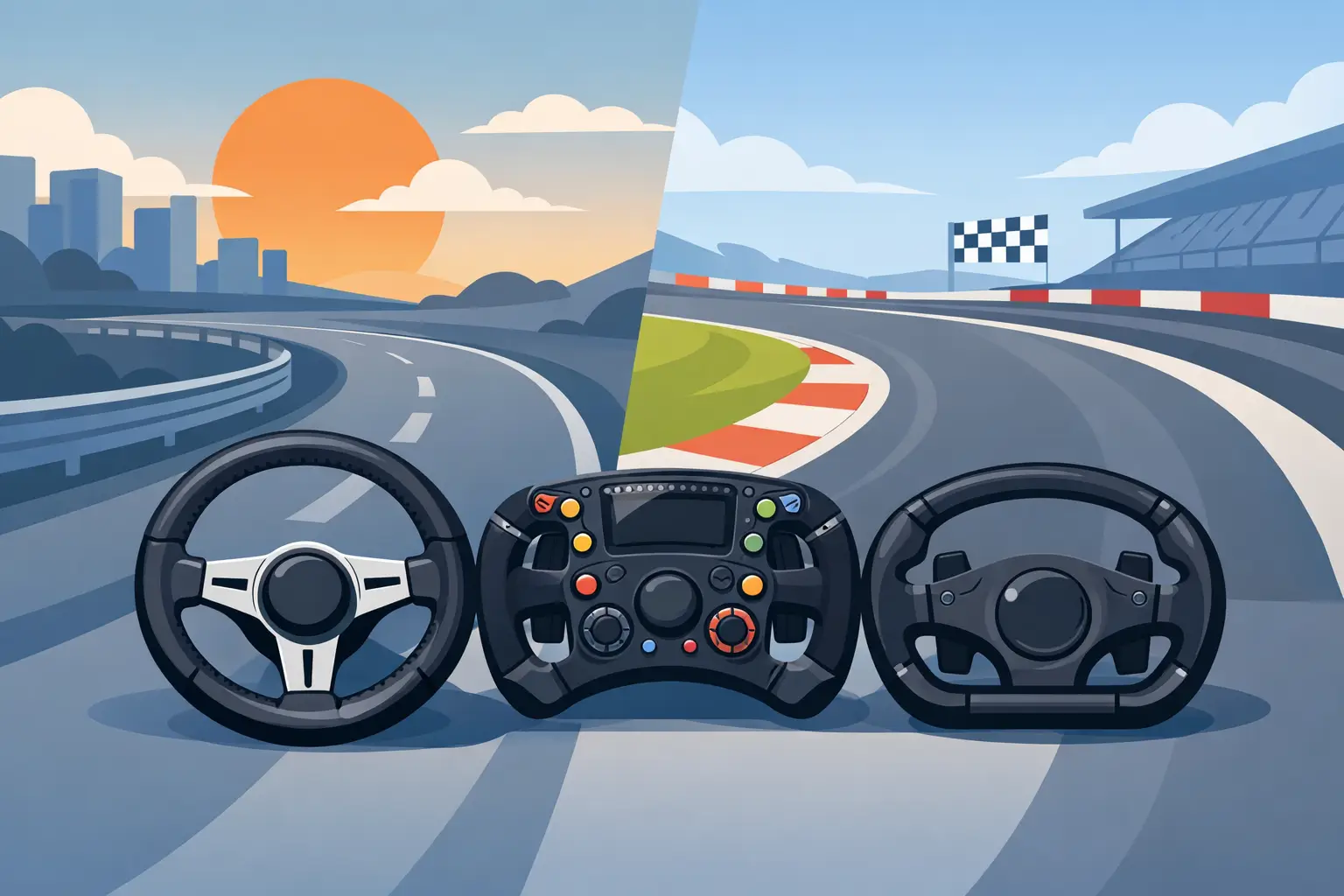
A steering wheel can make a car feel sharper, older, more expensive, or more serious in one move. That is why shoppers looking for the best steering wheels are rarely just buying a round part with spokes. They are changing driving position, steering response, cabin style, and in many cases the whole character of the car.
The right choice depends on how the car is used. A deep-dish wheel that looks perfect in a vintage Japanese coupe may be wrong for a modern track car with limited cockpit space. A suede wheel that feels excellent with gloves can become a poor daily-driver choice if you are climbing in with bare hands every day. This is one of those categories where the details matter.
What separates the best steering wheels from the rest
The best steering wheels are not defined by price alone. They stand out because the shape, materials, diameter, dish, and spoke layout work together for a specific type of driving. Premium brands also tend to deliver better stitching, cleaner spoke finishing, more consistent grip thickness, and tighter manufacturing tolerances.
Diameter changes the feel more than many buyers expect. A smaller wheel, usually in the 330mm to 350mm range, feels quicker and more direct because your hands travel less. That suits track driving, drift builds, and aggressive street cars. A larger wheel, often 360mm or above, can feel more natural in classics and older cars where steering effort is higher and the cabin proportions favor a traditional look.
Dish is the next big factor. Flat wheels keep the wheel closer to the dash and often suit modern interiors or tighter seating positions. Deep-dish wheels pull the rim toward the driver, which can improve reach and visual style, but they also change stalk clearance and can crowd the cockpit if the hub setup is already long.
Material choice matters too. Leather is the easiest answer for mixed use. It wears better, cleans up easier, and stays practical for daily driving. Suede and Alcantara-style finishes offer excellent grip and a motorsport feel, but they need more care and usually make the most sense in enthusiast cars rather than commuter duty.
Best steering wheels by use case
Best for street-driven performance cars
For a street-focused build, a 350mm leather wheel is usually the safest choice. It keeps enough everyday comfort while giving the cabin a serious upgrade over a bulky factory wheel. This is the sweet spot for many tuner cars, hot hatches, coupes, and older sports cars.
MOMO remains one of the strongest options here because its lineup balances motorsport heritage with practical street usability. Many MOMO wheels deliver the right blend of grip thickness, understated spoke design, and long-term durability. If you want a wheel that looks correct in a performance interior without feeling overly specialized, this is often where the search should start.
Best for track cars and focused driver builds
Track setups usually benefit from smaller diameters, firmer grip sections, and materials designed around control. A 330mm or 350mm suede wheel from Sparco or OMP makes sense when the goal is fast hand movement, positive grip, and a clean motorsport layout.
There is a trade-off. Smaller wheels can increase perceived steering effort, especially in cars without power steering. Suede can also wear quickly if you treat a race-style wheel like a daily-driver part. For serious use, though, these wheels feel right for the job in a way generic styling-focused options do not.
Best for classic and heritage builds
If the build leans vintage, the best steering wheel is usually the one that respects the era of the car. Nardi has long been a benchmark here. Wood-rim and leather heritage-style wheels bring warmth and authenticity that modern aggressive designs cannot replicate.
Classic fitment also requires restraint. A wheel that is too small can look out of place and make an older car feel twitchy. A traditional 360mm wheel with the right spoke finish often suits period-correct restorations, air-cooled cars, Italian classics, and vintage Japanese interiors far better than a modern motorsport piece.
Best for drift and aggressive cockpit setups
Drift builds often favor deep-dish wheels with strong visual presence and easy hand placement during quick corrections. In this segment, spoke clearance, thumb grip shape, and dish depth all matter. A deeper wheel can bring the rim closer to the driver, which many prefer when paired with fixed-back seats and harnesses.
But this is where fitment mistakes show up fast. Add a boss kit, quick-release, and spacer, and the wheel can end up too close to your chest. The best result comes from treating the steering wheel as part of a complete steering stack, not as a standalone cosmetic part.
How to choose the best steering wheels for your car
Start with diameter, then work backward from your driving position. If the car is street-driven and you want a clear upgrade without making it feel compromised, 350mm is a proven middle ground. If you are after a heritage look or dealing with manual steering, 360mm may be the smarter fit. If the car is stripped, caged, or track-focused, 330mm can feel more immediate.
Then look at dish. If your current reach to the wheel feels too long, a moderate dish may improve the driving position. If the seating position is already dialed in, a flat wheel might keep the cabin cleaner and avoid interference with stalks or gauges.
Material should reflect how you actually use the car, not just what photographs well. Leather suits daily use, weekend cruising, and most mixed builds. Suede suits dedicated enthusiast use, especially with gloves. Wood belongs where style, era, and cabin finish matter as much as grip feel.
Finally, think about spoke design and visual language. A wheel should match the rest of the cockpit. Brushed spokes, black spokes, drilled patterns, contrast stitching, and horn button styling all change the final look. The best wheel on paper can still feel wrong if it clashes with the dashboard, shifter, and seats.
Fitment matters as much as the wheel itself
This is where many buyers get tripped up. Aftermarket steering wheels generally require the correct hub or boss kit, and depending on the setup, you may also need a quick-release, spacer, horn button, or retainer ring. Buying a premium wheel without confirming fitment is the fastest way to turn a clean upgrade into a parts chase.
Airbag-equipped cars add another layer. Replacing a factory steering wheel in a modern vehicle can affect safety systems, warning lights, and legal compliance depending on the vehicle and market. That does not mean it cannot be done, but it does mean the project should be approached with full awareness rather than impulse.
For older vehicles and race-oriented builds, the path is usually more straightforward. Even then, stack height matters. The total depth created by the hub, quick-release, spacer, and wheel dish determines final wheel position. Get that wrong and the nicest wheel in the catalog will still feel awkward.
Brand character makes a difference
Not every premium wheel has the same personality. MOMO tends to land in the sweet spot between street performance and motorsport credibility. Nardi leans heritage, craftsmanship, and timeless interior style. Sparco and OMP speak more directly to race-inspired function, especially in suede and competition-focused shapes.
That matters because buyers are often choosing a feel as much as a specification. Some want a cockpit that looks like a period-correct Italian sports car. Others want something that feels at home next to a bucket seat, roll bar, and lap timer. The best steering wheels are the ones that align with both the vehicle and the owner’s intent.
Common mistakes when shopping for the best steering wheels
The first mistake is buying purely on looks. A dramatic deep-dish wheel can be perfect for one build and a complete mismatch for another. The second is ignoring total fitment requirements. A steering wheel, hub, horn setup, and quick-release need to work together.
The third mistake is choosing race materials for daily use without accepting the upkeep. Suede looks and feels excellent, but it asks more from the owner. The fourth is going too small. Many enthusiasts love the idea of a tiny wheel until they realize it blocks gauges less but makes low-speed steering heavier and less relaxed.
For most buyers, the smart move is to choose a wheel that improves the driving position first, the cabin style second, and the spec sheet third. That order usually leads to fewer regrets.
A premium steering wheel is one of the few interior upgrades you touch every time you drive. If the size is right, the material suits the car, and the fitment is handled correctly, it changes the whole experience in a way that cheaper cosmetic parts never will. That is why serious enthusiasts keep coming back to the details, and why a specialist selection like Revspeed Automotive’s matters when you want the setup to feel right the first time.