
Blog
Are Quick Release Hubs Safe?

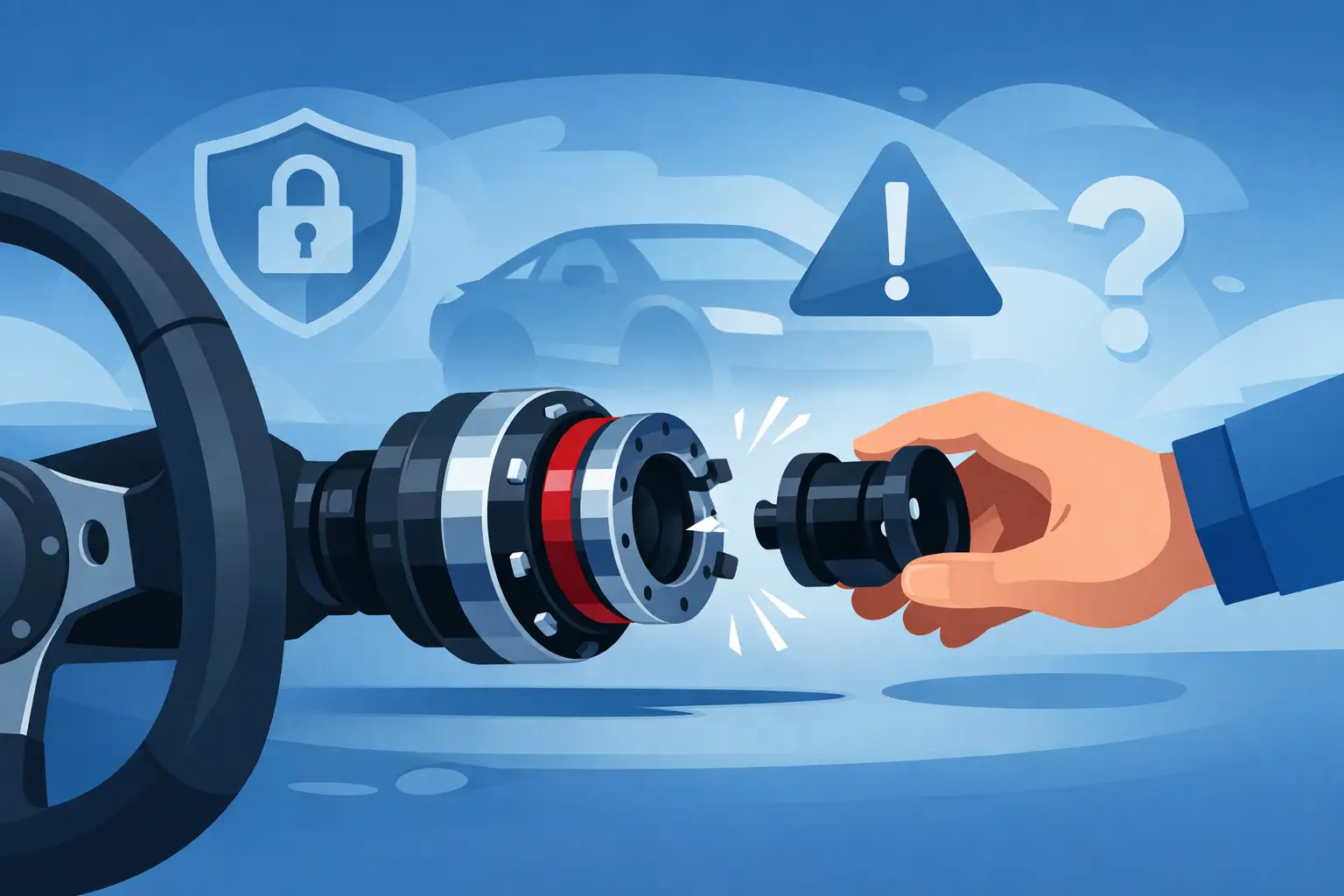
A quick-release steering setup feels great right up until you ask the only question that matters – are quick release hubs safe? The honest answer is yes, they can be, but only when the parts are well-made, correctly matched, and properly installed. If any one of those three is off, you are adding risk to one of the most critical control points in the car.
That is why quick releases sit in a different category than cosmetic interior mods. A shift knob with questionable machining is annoying. A steering interface with questionable machining is a problem. The margin for error is much smaller, especially on a street car or a track car that sees aggressive steering input, vibration, and repeated use.
Are quick release hubs safe in real-world use?
In real-world use, a quality quick release from a respected motorsport brand can be very safe. Many enthusiasts, racers, and builders use them for practical reasons. They make entry and exit easier in cars with fixed-back seats, tight cages, deep-dish steering wheels, or compact cockpits. They also add theft deterrence when the wheel is removable.
But safe does not mean universally safe. It depends on the design, the vehicle, the rest of the steering stack, and how seriously the installation was handled. A properly engineered quick release has tight tolerances, secure locking, durable splines or engagement surfaces, and hardware that maintains clamping force over time. A cheap copy often looks similar in photos but can feel loose, wear quickly, or develop play at the exact point where you need precision.
That difference matters more than many buyers expect. Steering feedback is not just about feel. If the mechanism introduces movement, flex, or partial engagement, you are no longer dealing with a premium control upgrade. You are dealing with a weak link.
What actually makes a quick release hub safe?
The biggest factor is engineering quality. A good quick release is designed to handle repeated load cycles without developing wobble, rattle, or incomplete lockup. Materials matter, machining matters, and so does the locking mechanism itself. A hub that snaps together easily is not automatically a safe one. It needs positive engagement and predictable release only when intended.
Fitment is just as important. The quick release does not operate alone. It sits between the steering wheel and the hub or boss kit, so every part in that stack needs to match the bolt pattern, depth, and intended use. Mixing incompatible parts, stacking extra spacers without thinking through leverage, or forcing a universal solution onto a setup that needs a vehicle-specific hub is where avoidable problems start.
Installation quality is the third piece. Even a premium part can become unsafe if the hardware is torqued incorrectly, mounted off-center, or assembled with the wrong bolts. Too short, and you lose thread engagement. Too long, and you risk interference. Loose fasteners, uneven tightening, and skipped checks are common causes of steering play after install.
Where cheap quick releases usually fail
Most safety concerns around quick release hubs come from low-quality products, not from the concept itself. There is a major difference between a motorsport-grade component and a generic part built to hit a price point.
Cheap units often fail in a few predictable ways. They can develop rotational play after limited use. They may use soft hardware or poorly cut splines that wear faster than they should. Some locking collars feel secure at first but do not maintain the same consistency after repeated removal and reinstallation. Others have enough tolerance variation that one unit feels acceptable while another from the same line feels loose out of the box.
This is why experienced enthusiasts tend to stick with proven brands and known fitment combinations. The visual similarity between a premium quick release and a bargain version can be misleading. On a shelf, they can look nearly identical. Under load, with real steering input, they are not the same product.
Street car vs track car safety considerations
Use case changes the answer.
On a street car, the biggest concerns are reliability over time, crash safety considerations, and whether the setup affects factory systems. If your car uses an airbag steering wheel from the factory, replacing it with an aftermarket wheel and quick release changes more than aesthetics. You may lose airbag functionality, alter the driving position, and trigger warning lights depending on the platform. That does not automatically make the setup wrong, but it does mean the decision carries real trade-offs.
On a track car, entry and exit can be a strong reason to run a quick release, especially with a cage and racing seat. In that environment, a removable wheel can be a practical necessity rather than a style choice. Even then, track use puts more stress on the steering system. Fast transitions, curb strikes, heat, vibration, and frequent wheel removal all put wear on the mechanism. The quick release needs to be chosen with that use in mind.
A drift car, time attack build, weekend canyon car, and restored classic all ask different things from the steering stack. Safety depends on choosing accordingly, not buying the same part for every build just because the bolt pattern matches.
The role of hub kits, spacers, and steering wheel depth
A quick release hub is only one part of the equation. The boss kit or hub adapter behind it must be correct for the vehicle. The steering wheel in front of it must also suit the setup. Add a spacer, a deep-dish wheel, and a quick release together, and the wheel can end up significantly closer to the driver than expected.
That changes ergonomics and leverage. Sometimes it improves the driving position. Sometimes it creates clearance problems with turn signal stalks, gauges, or knees. If the stack is too long, it can also increase leverage on the mounting hardware and contribute to flex if the parts are not high quality.
This is where fitment-oriented buying matters. Enthusiasts often focus on bolt pattern first, but stack height, dish depth, and intended driving position are just as important. A clean setup is not only about appearance. It is about reducing compromise in a part of the car you touch every second you drive.
Signs a quick release hub is not safe enough
The warning signs are usually obvious once you know what to look for. Any rotational play between the wheel and column is a red flag. So is a metallic clicking sound under steering load, inconsistent locking, visible hardware loosening, or a release mechanism that feels vague instead of positive.
A hub should not need excuses. If it rattles, if it occasionally takes a second attempt to seat fully, or if the steering wheel position changes slightly after use, do not normalize it. Those are signs to inspect the setup immediately.
The same goes for bargain hardware substitutions. Steering components are not the place to replace graded fasteners with generic hardware because it was easier to source locally. If the manufacturer specifies bolt length, thread pitch, and torque, that guidance exists for a reason.
How to choose a safer quick release setup
Start with the use case, not the look. If the car is a street-driven performance build, prioritize known quality, correct vehicle hub fitment, and a steering wheel position that still works comfortably every day. If it is a dedicated track build, choose a setup with proven motorsport use and inspect it regularly as part of normal prep.
Buy from reputable brands with a real track record in steering components. Match the quick release to the correct boss kit and wheel bolt pattern. Verify total stack height before ordering. Use the supplied or specified hardware, and torque it correctly. After installation, check for smooth operation, full lock engagement, horn function if applicable, and any movement under load.
It is also smart to recheck the hardware after initial use. Fresh installs can settle slightly, and a quick post-install inspection is cheap insurance.
For buyers building around premium steering brands, this is one area where authentic parts matter. Revspeed Automotive caters to exactly that kind of enthusiast mindset – choosing proven components over guesswork, especially in parts that affect control and driver confidence.
So, should you run one?
If you are choosing a quick release for access, ergonomics, motorsport function, or anti-theft convenience, there is nothing inherently unsafe about the category. The problem starts when buyers treat it like a dress-up part instead of a steering component.
The best quick release hub is not the cheapest, flashiest, or most aggressively marketed. It is the one with solid engineering, proper fitment, clean engagement, and zero drama every time you lock the wheel in place. When the setup is right, it feels precise and trustworthy. When it is wrong, the car tells you quickly.
That is the standard to keep in mind. If you would not gamble on brake parts, do not gamble on the connection between your hands and the front tires.