
Blog
OMP Steering Wheel Review for Real Drivers

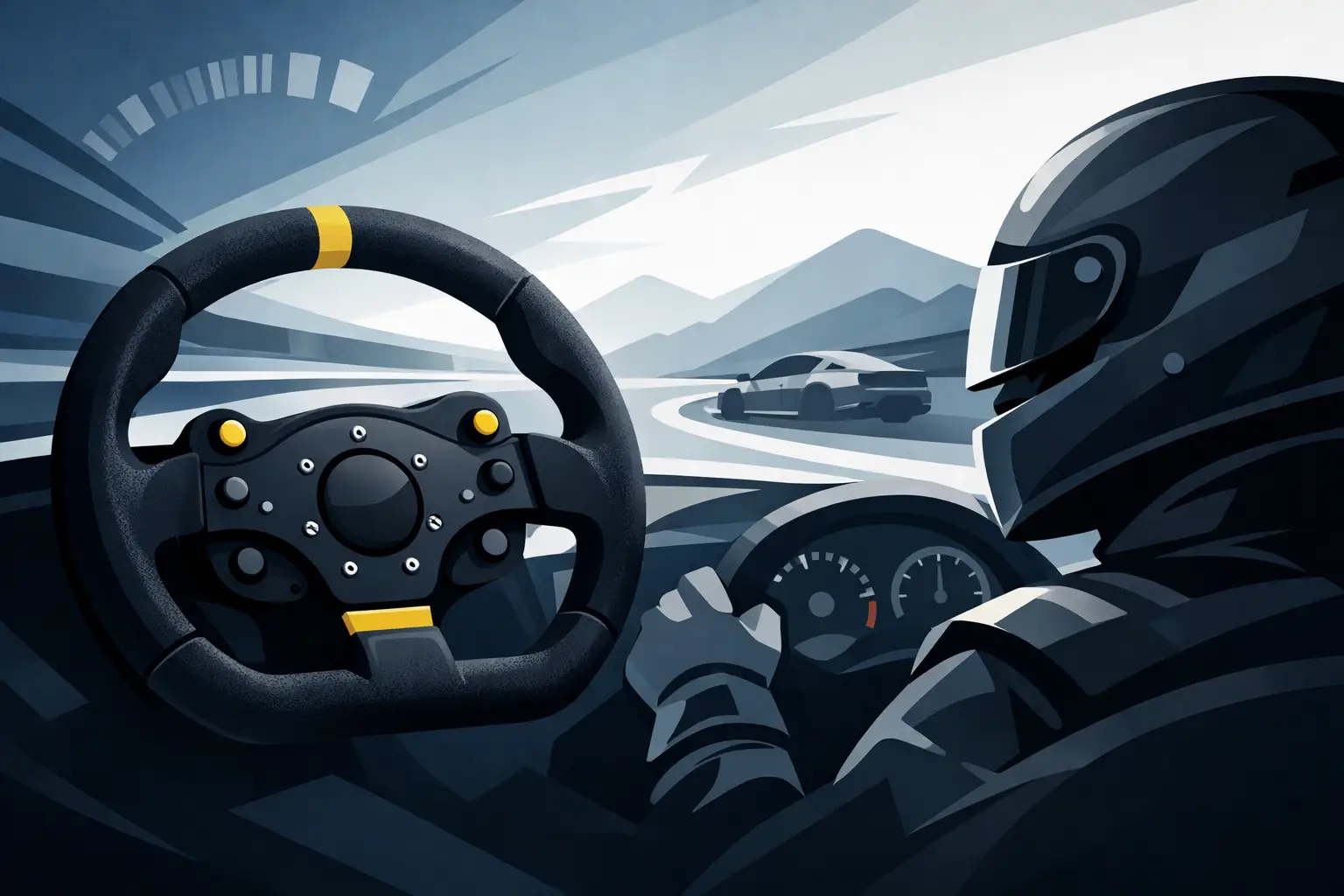
A steering wheel tells you a lot about a car before the chassis says a word. If the rim is too thick, too slick, or the diameter is wrong for the driving you actually do, the whole cockpit feels off. That is exactly why an omp steering wheel review matters – OMP sits in that sweet spot where motorsport credibility, strong design language, and usable price points meet.
OMP has been part of serious driver setups for decades, and that pedigree shows in the details. These wheels are not trying to be luxury accessories first and performance parts second. They are built around grip, driver input, visibility, and control. For enthusiasts upgrading a street car, track build, rally setup, or even a sim rig, that distinction matters.
OMP steering wheel review: what stands out first
The first thing most buyers notice is shape and proportion. OMP wheels tend to look purposeful rather than ornamental. The spoke designs are clean, the dish options are practical, and the sizing choices are aimed at actual use cases instead of generic styling trends.
In hand, the brand usually delivers a more direct, motorsport-focused feel than many factory wheels. The rim profile is often firmer and more intentional. Depending on the model, you will find suede, leather, or specialized grip materials that prioritize hold and feedback over plushness.
That last point is where expectations need to be realistic. If you want a soft, luxury-style touchpoint for commuting, some OMP wheels can feel more serious than necessary. If you want better steering feel, cleaner hand placement, and a cockpit that feels like it was built around driving, that seriousness is the appeal.
Build quality and materials
OMP’s reputation is built on motorsport association, so material choice matters. Across its range, the brand generally does a good job balancing durability, weight, and tactile quality. The spokes feel solid, the drilling and hardware areas are consistent, and the stitching on genuine products is usually clean and tight.
Suede models are a favorite for track and competition use because they offer excellent grip, especially with gloves. The trade-off is maintenance. Suede looks and feels fantastic when fresh, but on a daily driven car it will show wear faster than leather, particularly if you drive barehanded. Oils, sweat, and UV exposure will take their toll.
Leather options are easier to live with for street use. They are more forgiving, easier to clean, and generally a better fit for mixed-use cars. You give up a bit of that pure competition feel, but for many enthusiasts that is the smarter long-term choice.
There is also the question of stiffness and flex. A quality aftermarket wheel should feel planted under load, especially during quick corrections or aggressive cornering. OMP wheels generally perform well here. They feel like functional components, not dress-up parts.
Sizing, dish, and real-world feel
Sizing is where a lot of steering wheel purchases go right or wrong. OMP offers common enthusiast-friendly diameters, and each size changes the driving experience more than many buyers expect. A smaller wheel can sharpen the sense of response and free up leg room, but it may also increase steering effort in cars without strong power assist. A larger wheel can be more comfortable and easier to modulate, especially in older cars, rally applications, or vehicles with heavier steering.
Dish depth also changes the equation. A deeper dish brings the wheel closer to the driver and can improve reach in some seating positions, but it can also create clearance issues with stalks, dash trim, or turn-signal access. A flatter wheel tends to feel cleaner in modern interiors and can simplify fitment.
This is where OMP does well as a brand. The lineup has enough variation to suit different builds without becoming confusing. If you are selecting carefully based on your driving position and chassis, there is usually an OMP option that makes sense.
Where OMP fits against the competition
An honest omp steering wheel review should address brand positioning. OMP competes in a space with names that enthusiasts already know well, and each brand has a slightly different personality.
Compared with some heritage-focused wheels, OMP often leans harder into motorsport function. Compared with some purely style-driven aftermarket options, it carries stronger authenticity and better track-day credibility. Compared with very premium artisan-style wheels, it can feel less nostalgic or boutique, but often more purpose-built.
That makes OMP especially attractive to buyers who want proven enthusiast hardware without paying strictly for collector appeal. You are buying into a brand with racing roots, not just a logo.
Still, not every OMP wheel suits every project. On a vintage street build where classic wood or period-correct Italian styling is the whole point, another brand may align better visually. On a modern track car, time attack setup, drift car, or rally-inspired interior, OMP often feels right at home.
Street use vs track use
For street cars, the best OMP wheels are the ones that balance grip with comfort. A leather rim, sensible diameter, and moderate dish usually make the most sense. You get a more connected feel than stock without turning every commute into a compromise.
For track cars, OMP’s strengths become more obvious. The brand’s firmer, more technical feel works well when precision matters. Suede rims, stronger thumb contours, and compact diameters help the wheel feel like part of the driver interface rather than just a trim piece.
There is an it-depends factor here. A car that sees occasional autocross or canyon driving may not need an aggressively track-oriented suede wheel. Likewise, a dedicated track build probably should not prioritize low-maintenance street comfort. The right answer depends on how honestly you define the car’s mission.
Fitment matters as much as the wheel
A steering wheel is only as good as the setup around it. Boss kits, hubs, spacers, and quick-release systems can make or break the final result. OMP wheels typically use standard enthusiast mounting patterns on applicable models, which helps with compatibility, but buyers still need to verify bolt pattern, horn integration, and vehicle-specific hub requirements.
Driving position is the big issue. Many people install a premium wheel and then realize the reach is still wrong, the turn-signal stalks are awkward, or the wheel blocks part of the gauge cluster. That is not always the wheel’s fault. It is usually a fitment planning issue.
This matters even more on older cars, race-prepped interiors, and sim rigs where dimensions vary a lot. A quality wheel deserves a setup that puts it in the right place.
Is OMP good for sim racing?
Yes, with a caveat. OMP wheels translate very well to sim rigs if you want a more authentic motorsport touchpoint. The grip, shape, and visual design feel right at home in performance-focused sim builds, especially if you are replicating rally, GT, or classic race car environments.
The caveat is that some sim users value multifunction controls or integrated button layouts over traditional steering wheel design. A real-world motorsport wheel gives you authenticity and tactile quality, but not always the all-in-one convenience of some sim-specific hardware.
If your goal is realism and a proper cockpit feel, OMP is a strong fit. If your goal is maximum onboard control without external button boxes, it may not be the most efficient option.
Who should buy one?
OMP makes the most sense for enthusiasts who care about driver feel, authentic brand heritage, and a cockpit that looks and functions like it belongs in a serious build. It is a strong choice for track-day drivers, rally-inspired street cars, drift builds, classic performance projects with a competition edge, and sim racers chasing realism.
It may be less ideal for buyers who want a purely comfort-focused daily-driver upgrade, ultra-luxury trim feel, or a highly decorative wheel chosen mainly for show. OMP design usually has style, but function leads.
That is also why the brand continues to appeal to experienced modifiers. The wheels tend to make sense in use, not just in photos.
Final take on this OMP steering wheel review
OMP steering wheels earn their reputation by staying close to what enthusiasts actually need – grip, confidence, clean design, and legitimate motorsport character. They are not perfect for every car or every driver, and material choice matters more than many people think. But if you want a wheel that feels like a real driver upgrade instead of a cosmetic swap, OMP remains one of the safer bets in the premium aftermarket space.
The smart move is to choose the wheel around the car’s real purpose, not the version of the build you imagine on its best day. Do that, and an OMP setup can transform the entire cockpit.