
Blog
Steering Wheel Retainer Ring Replacement

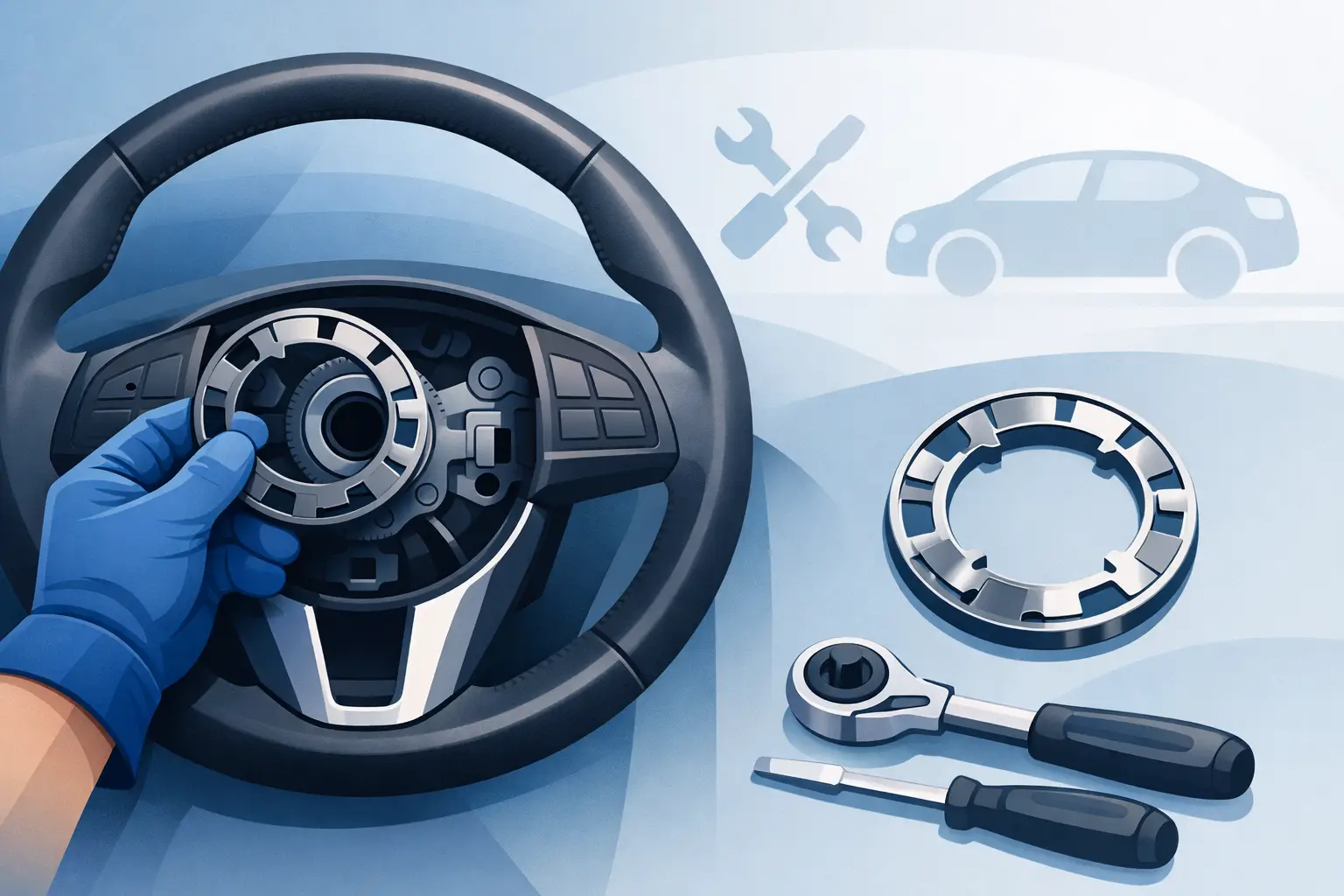
A loose horn button, a rattling center section, or a retainer ring that no longer sits flush usually points to one small part that gets overlooked until it starts causing problems. Steering wheel retainer ring replacement is not the most glamorous job in a cockpit upgrade, but it matters if you want your steering setup to feel properly finished, secure, and true to the wheel’s original design.
On premium aftermarket wheels, the retainer ring does more than dress up the center. It helps secure the horn button or center pad assembly, keeps the fit tight, and preserves the intended look of the wheel. If it is bent, cracked, corroded, or simply the wrong part for your wheel, the whole steering wheel can feel cheap even when the rest of the setup is top-tier.
When steering wheel retainer ring replacement makes sense
Some retainer rings fail suddenly after a horn button removal or a rough install, but more often the problem builds over time. Older rings can lose tension, especially on frequently driven street cars, track builds with extra vibration, or restored classics where interior hardware has been removed and reinstalled more than once.
If your horn button pops out too easily, sits unevenly, or rotates when it should lock in place, the ring is worth inspecting. The same goes for visible warping, worn tabs, rust, pitting, or finish damage that clashes with an otherwise clean interior. On heritage wheels from brands like MOMO or Nardi, the wrong ring can also create an obvious mismatch in profile, diameter, or finish.
There is also the simple reality of incomplete used parts. Plenty of secondhand steering wheels are sold missing small hardware, and the retainer ring is one of the first pieces to disappear. If you are restoring a period-correct interior or piecing together a wheel, boss kit, horn button, and trim hardware from different sources, replacement often becomes less of a repair and more of a proper completion step.
Why the right retainer ring matters
Fitment is where people get caught out. A retainer ring is not a universal cosmetic trim piece. Diameter, lip design, tab shape, horn button compatibility, and brand-specific mounting details all matter. Even when two rings look close in photos, small differences can mean poor retention or a center section that never seats correctly.
This is especially true with enthusiast-grade steering hardware. Motorsport and heritage brands tend to follow their own design language, and many wheels have generation-specific details. A ring made for one MOMO application may not fit another center setup the way it should. The same issue shows up when mixing newer reproduction parts with older wheels, or when trying to adapt generic hardware onto a premium steering wheel.
Material and finish matter too. Some drivers only care about function, but most enthusiasts want the center section to match the rest of the cockpit. A black ring on a brushed center, a polished ring on a matte wheel, or the wrong profile around the horn button can throw off the entire visual balance. In a street car or show-oriented build, that detail is not minor.
Steering wheel retainer ring replacement: what to check first
Before ordering anything, confirm the steering wheel brand, model line, and center hardware style. Start with the obvious identifiers on the front and rear of the wheel, then look at the horn button design and the way the existing ring seats into the center opening.
Measure carefully if the original part is missing or damaged beyond recognition. Inner diameter, outer diameter, depth, and the shape of the locking or retention points are all relevant. Photos help, but dimensions close the gap between “looks right” and “actually fits.”
It is also smart to check whether the issue is really the ring. A loose center can come from a worn horn button housing, damaged tabs, incorrect horn contact hardware, or an installation problem higher up the stack. If the hub, quick release, or wheel mounting hardware is causing movement, replacing the ring alone will not solve much.
Common replacement scenarios
The most straightforward case is replacing a damaged ring with the exact same branded part. That keeps fitment simple and preserves the wheel’s original appearance. For drivers running authentic aftermarket steering wheels, this is usually the cleanest option.
The next scenario is restoration. Here, the ring may be missing entirely, the wheel may be older, and factory-correct details matter more. In that case, finish and design are just as important as basic retention. A technically compatible part can still look wrong on a classic or period-inspired interior.
Then there is the custom build route. Some enthusiasts mix wheel, hub, spacer, and horn components to get a specific driving position or visual style. That can work well, but it leaves less room for guesswork. If you are combining parts across brands or generations, a steering wheel retainer ring replacement needs extra attention because the center hardware is where those small incompatibilities usually show up first.
Installation basics without turning it into a gamble
The job itself is usually simple, but it is also easy to get wrong by forcing parts together. Remove the horn button or center pad carefully, inspect the old ring and the wheel center for damage, and clean the seating area before fitting the replacement. Dirt, corrosion, and old residue can stop the new ring from sitting fully even when the part is correct.
Do not bend tabs or reshape the ring just to make it work unless the manufacturer specifically calls for that. If a new ring needs force to seat, something is off. The issue could be fitment, an incompatible horn button, or prior damage to the wheel center.
Once installed, check for even seating all the way around. The horn button should sit flush, retain properly, and function without sticking or feeling loose. If there is movement, pull it back apart and inspect rather than hoping it settles in with use. Small center hardware problems tend to get worse, not better.
Brand differences and why authentic parts usually win
With steering hardware, authentic branded replacement parts usually justify the extra cost. The tolerances are more predictable, the finish is consistent, and the part is built around the original wheel design. That matters more on steering components than it does on generic interior trim because the wheel is a constant touchpoint.
This does not mean every aftermarket alternative is poor. Some are perfectly serviceable for basic applications. But there is a trade-off. Lower-cost rings can have inconsistent spring tension, rough finishing, weak retention features, or slight dimensional errors that create a cheap feel at the center of the wheel.
For enthusiasts already investing in premium cockpit parts, that compromise rarely makes sense. If the steering wheel is from a respected motorsport or heritage brand, the supporting hardware should meet the same standard. That is where specialist catalog depth matters. Revspeed Automotive focuses on the small fitment-driven parts that complete a steering setup correctly, not just the headline pieces.
Buying the right replacement the first time
If you want to avoid ordering twice, treat the retainer ring like a fitment part, not a styling accessory. Match it to the wheel brand and model whenever possible. Confirm center component compatibility. Pay attention to finish, but only after the core dimensions and retention style line up.
If the wheel was bought used, verify whether the horn button itself is original. A mismatched center insert can make the correct ring appear incorrect. Likewise, if your setup includes a quick release, spacer, or older boss kit, remember that those parts may affect horn contact hardware even if they do not directly change the ring fitment.
For rare wheels, older applications, or incomplete setups, patience is worth more than improvisation. The right small part restores the wheel’s feel immediately. The wrong one creates a center section that always feels slightly off.
A proper steering wheel setup is built on details the driver notices every time they get behind the wheel. The retainer ring is one of those details – small, visible, and easy to underestimate until it is wrong. Get the fitment right, and the whole center of the wheel feels secure, clean, and exactly as it should.