Blog
Quick Release vs Hub Adapter Explained

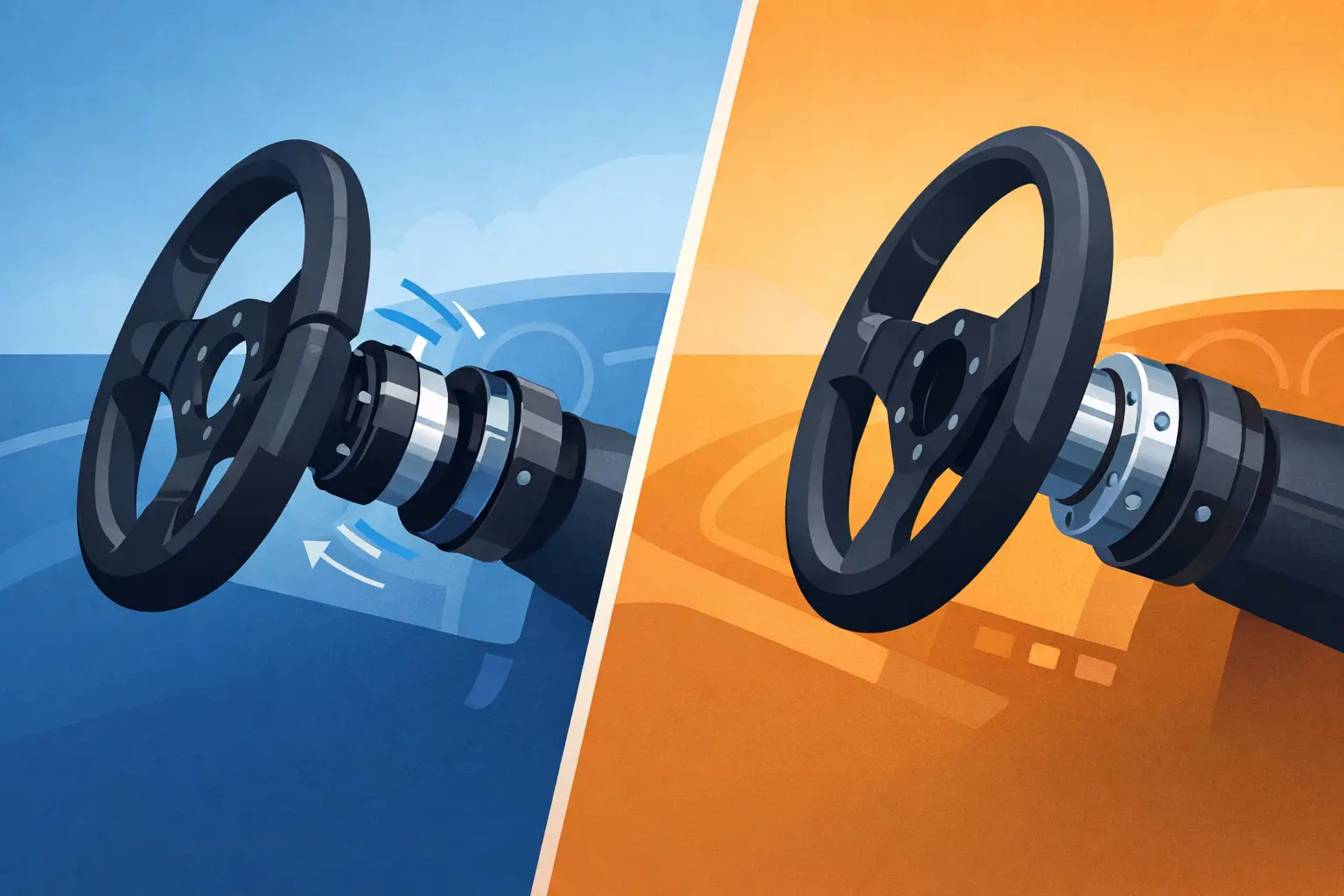
If you’re planning a steering wheel upgrade, the quick release vs hub adapter question shows up fast – usually right after you pick the wheel. They sit in the same area of the steering stack, but they do very different jobs. Confusing them leads to bad fitment, awkward driving position, and parts that do not solve the problem you actually have.
A hub adapter, often called a boss kit or hub, is the part that lets an aftermarket steering wheel mount to your vehicle’s steering column. A quick release is a coupler that lets you remove and reinstall the steering wheel quickly. One creates compatibility. The other creates removability. Sometimes you need one. Sometimes you need both.
Quick release vs hub adapter: the basic difference
The cleanest way to look at quick release vs hub adapter is this: the hub adapter connects the car to the aftermarket bolt pattern, while the quick release sits between the hub and the steering wheel.
Without the correct hub adapter, most aftermarket wheels simply will not bolt to the car. Factory steering columns are vehicle-specific, and aftermarket steering wheels from brands like MOMO, Nardi, Sparco, and OMP typically use standardized bolt patterns. The hub adapter bridges that gap.
A quick release does not replace that vehicle-specific fitment piece. It adds a detachable mechanism to the setup. That matters because plenty of buyers assume a quick release can mount directly to the car. In almost every normal automotive application, it cannot.
What a hub adapter actually does
A hub adapter is the foundation of the steering wheel conversion. It mounts to the steering shaft spline or factory steering interface and provides the correct aftermarket mounting face for the wheel. Depending on the vehicle, it may also account for horn wiring, turn signal canceling, and spacing.
That last part gets overlooked. A hub adapter affects wheel position. Some are relatively shallow, while others add noticeable depth. On a street car, that can improve reach and comfort. On a tight cockpit, it can also push the wheel too close to the driver if the rest of the stack is not planned correctly.
Fitment is where the hub matters most. You do not buy a hub adapter by style alone. You buy it by exact vehicle compatibility, steering wheel bolt pattern, and intended stack height. A premium wheel with the wrong hub is still the wrong setup.
When a hub adapter is enough
For many street builds, a hub adapter alone is the right answer. If you want to replace an OEM wheel with an aftermarket wheel for better grip, diameter, dish, or style, the hub solves the core installation problem.
This is especially true when removability is not part of the goal. A classic restoration, a weekend cruiser, or a simple driver-focused interior upgrade often does not need the extra complexity of a quick release. Fewer parts in the stack can also mean fewer chances for added play, noise, or alignment issues.
What a quick release actually does
A quick release lets you detach the steering wheel from the hub in seconds. That sounds simple, but the reasons for wanting one vary a lot. On some cars, it improves access in a tight cabin. On others, it adds a layer of theft deterrence. In track-oriented builds, it can make entry and exit easier when fixed seats, harnesses, and cages reduce space.
Not all quick releases are built the same. This is where price, machining quality, locking design, and tolerances matter. A cheap quick release may technically work, but steering is not the place to accept slop. Any movement, rattle, or inconsistency between the wheel and the column undermines driver confidence fast.
Good quick releases also add thickness to the setup. That can be helpful if you want the wheel closer. It can be a problem if your driving position is already tight. Steering wheel depth, hub height, spacer size, and quick release thickness all stack together.
When a quick release makes sense
A quick release earns its place when access, packaging, or vehicle use justifies it. Dedicated track cars are the obvious example. Deep bucket seats and roll protection can make a removable wheel less of a luxury and more of a practical necessity.
Show cars and anti-theft-minded street builds also use them, though the value there depends on the car and how it is parked or stored. For some owners, the clean motorsport look is part of the appeal. That is valid, but function should still lead the decision.
Quick release vs hub adapter for street cars
For most street-driven cars, the right answer in the quick release vs hub adapter debate is usually the hub adapter first. It handles fitment, keeps the setup simpler, and avoids adding unnecessary thickness if you do not need removability.
A quick release on a street car can still make sense, but it should solve a real problem. If the car has a very tight seating position, serves as a weekend build with a theft concern, or is already configured around a motorsport-style cockpit, then the extra hardware may be worth it.
If none of those apply, many drivers are happier with a solid hub and steering wheel combination. It feels cleaner, installs with fewer variables, and often preserves a more natural wheel position.
Quick release vs hub adapter for track builds
Track builds shift the answer. Here, quick release vs hub adapter is often not either-or. It is both.
You still need the correct hub adapter because the steering wheel has to mount to the vehicle properly. Then the quick release adds the practical benefit of fast wheel removal for ingress and egress. In a stripped interior with fixed seating, that convenience becomes obvious the first time you try to climb in wearing a helmet.
This is also the environment where quality matters even more. Track use exposes weak tolerances, poor locking mechanisms, and low-grade hardware quickly. If the steering stack is part of the control system, and it is, there is no room for vague fitment or bargain-bin machining.
The fitment mistakes buyers make most often
The biggest mistake is treating the hub adapter and quick release as interchangeable. They are not. If your goal is to fit an aftermarket wheel to a specific car, the hub adapter is the required vehicle-side component.
The second mistake is ignoring total stack height. A deep-dish wheel plus a tall hub plus a quick release can put the wheel much closer to your chest than expected. Sometimes that is ideal. Sometimes it ruins the driving position.
The third is buying around brand names without checking bolt patterns and compatibility. Not every steering wheel, horn button, retainer ring, hub, and quick release shares the same standard. Many enthusiast-grade components do, but assumptions are where projects get expensive.
Finally, there is the quality issue. Steering components are not decorative hardware. Materials, machining accuracy, and lock engagement matter. A premium steering wheel deserves a properly matched mounting system behind it.
How to choose the right setup
Start with the car, not the wheel. You need to know what hub adapter fits the vehicle correctly. After that, decide whether you actually need a quick release or simply want one.
If the build is street-focused and you want a cleaner, more direct install, a hub adapter and wheel may be all you need. If the build has track intent, a very tight cockpit, or a real need for wheel removal, add a quality quick release to the plan.
Then check the full stack: hub depth, quick release thickness, wheel dish, and any spacer you might use. This is where experienced buyers save themselves frustration. A steering setup is not one part. It is a system.
For buyers building around premium brands, this matters even more. The whole point of investing in quality steering components is to improve feel, fit, and confidence. Revspeed Automotive serves this part of the market for a reason – enthusiasts want parts that match the car, the wheel, and the intended use without guesswork.
Which one should you buy?
If your car still needs a way to mount an aftermarket steering wheel, buy the hub adapter first. That is the non-negotiable part. If you also need easier cabin access or removable-wheel functionality, add a quick release after the fitment foundation is correct.
That is the real answer to quick release vs hub adapter. It is not a rivalry. It is a matter of purpose. Pick the part that solves the problem you actually have, and your steering setup will feel right every time you slide into the seat.