
Blog
How to Spot a Genuine MOMO Horn Button

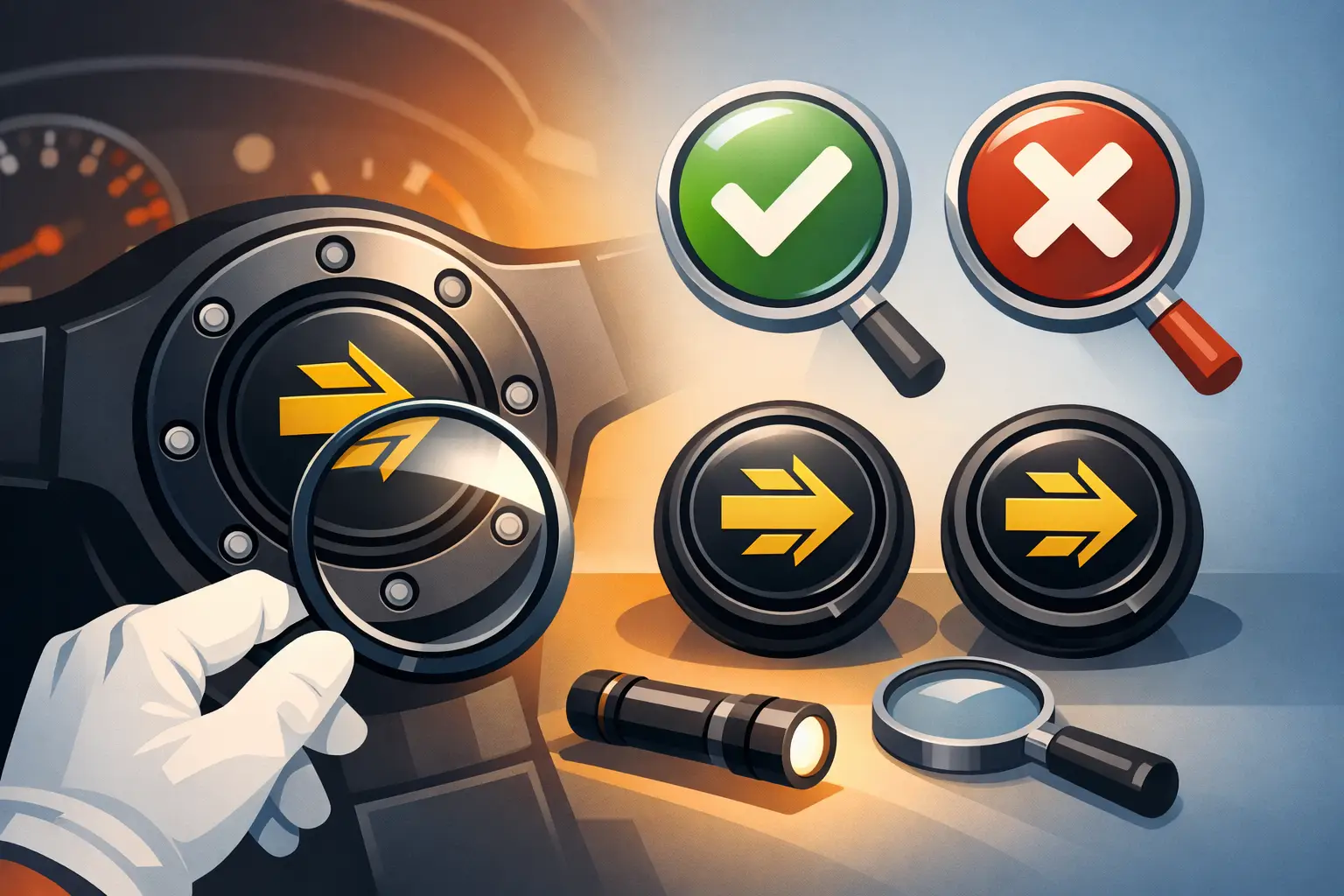
A genuine momo horn button is a small part that carries a surprising amount of weight. It sits at the center of the wheel, gets touched every time you hit the horn, and instantly tells experienced enthusiasts whether the setup was built with real parts or cheap shortcuts. On a MOMO wheel, the horn button is not just a cosmetic cap. It is part of the brand identity, part of the fit and function, and often one of the first details people notice when they look inside the car.
That matters even more now because horn buttons are one of the easiest steering wheel accessories to copy badly. Fake versions are everywhere, and they usually look convincing in low-resolution photos. Once they arrive, the differences show up fast – weak plastic, poor logo printing, loose fitment, unreliable contacts, or finishes that look wrong the second they are installed.
Why a genuine MOMO horn button matters
If you are already investing in a premium steering wheel, boss kit, spacer, or quick release, cutting corners on the center piece makes little sense. A genuine MOMO horn button is designed to match the wheel correctly in both finish and fit. The logo treatment, outer profile, spring tension, and contact design are all part of a consistent OEM-level accessory rather than a generic replica.
There is also a practical side. Horn buttons are not all interchangeable in the way many buyers assume. Some sit correctly in certain steering wheel applications while others can feel loose, bind during installation, or fail to make reliable contact. On a street car, that becomes more than an annoyance. A horn that works intermittently is a real problem.
Authenticity also affects long-term appearance. Genuine parts tend to keep their color, gloss level, and logo clarity better over time. Replicas often fade, scratch, or develop a cheap look quickly, especially in cars that see sun, heat, and regular use.
What separates a genuine MOMO horn button from a replica
The first giveaway is usually the logo. On an authentic piece, the MOMO branding should look crisp, centered, and properly proportioned. Letter spacing matters. The yellow and black color treatment, where applicable, should look deliberate and clean rather than slightly off-tone or blurry.
The housing quality is another strong clue. A genuine button typically has better molding quality, cleaner edges, and more consistent surface finish. Cheap copies often have visible imperfections around the perimeter, uneven gloss, or plastic that feels too light and brittle. That difference is hard to judge from a product photo alone, but easy to spot in person.
Then there is the press feel. An authentic horn button usually has a more precise action with decent resistance and a clean return. Replicas can feel mushy, overly stiff, or unstable in the wheel center. If the button rocks too much in place or does not seat confidently, it is often a sign that tolerances are off.
Packaging can help, but it should not be your only test. Some counterfeit parts now come in packaging that imitates brand presentation fairly well. A box alone does not prove authenticity. The part itself still has to make sense in terms of finish, construction, and fit.
Genuine MOMO horn button fitment is not one-size-fits-all
This is where many buyers get tripped up. They focus on whether the button is real, but not whether it is correct for their setup. A genuine MOMO horn button still needs to match the steering wheel and the hub or boss arrangement being used.
Different wheel designs can call for different horn button styles, depths, and visual profiles. Some enthusiasts want the classic yellow-arrow MOMO look for a period-correct build. Others prefer a cleaner black button for a more understated cockpit. Both can be authentic. The right choice depends on the wheel model, the era you are trying to match, and whether the car leans track-focused, OEM-plus, or full retro.
Electrical compatibility matters too. In many installs, the horn button works as part of a larger chain that includes the wheel, hub, contact ring, and sometimes a quick release. If one component is mismatched, the issue may look like a bad horn button when the real problem is incomplete contact through the system.
Common red flags when buying
The biggest red flag is price that makes no sense. Premium branded steering accessories are not priced like generic universal parts. If the listing is dramatically cheaper than established market pricing, there is usually a reason.
The second is vague product language. Sellers who avoid clear references to authenticity, official branding, or exact product naming often know they are selling something questionable. Phrases like “MOMO style” or “fits MOMO” are not the same as an authentic branded part.
Poor photos are another warning sign. If the seller only shows one dark image, no packaging, no close-up of the logo, and no side angle showing the profile, that is not ideal. Serious buyers want detail because detail is where fakes fall apart.
Watch for generic fitment claims too. If a listing says the button fits everything, that is usually marketing first and product knowledge second. Steering wheel hardware is full of small differences, and a good seller should understand that.
How to evaluate a horn button before you buy
Start with the seller. Specialist retailers that focus on steering wheels, cockpit accessories, and enthusiast brands are far more reliable than random marketplace listings. A store that regularly sells MOMO wheels, hubs, quick releases, and replacement parts is more likely to understand authenticity and fitment than a broad seller moving generic accessories.
Next, look at product specificity. You want a listing that clearly identifies the part, shows accurate photos, and gives enough detail to understand what you are buying. That includes finish, style, brand identification, and any fitment notes that matter for your steering setup.
It also helps to think about the rest of your interior. A horn button is a small part, but it changes the center focal point of the wheel. If you are running a heritage-style MOMO wheel in a classic chassis, a period-correct genuine button makes the whole setup look right. If your car has a modern stripped cockpit with black hardware and a track bias, a more understated authentic button may fit better.
When the best choice depends on your build
Not every buyer is solving the same problem. Some are restoring an older MOMO wheel and want the correct center detail. Some are replacing a worn or missing button on a daily-driven car. Others are refining a show-quality interior where authenticity matters as much as finish.
That is why the right choice is not always the flashiest option. A bright logo button can be perfect on a classic Italian-style interior or a 1990s tuner build, but it may look out of place in a monochrome modern cockpit. On the other hand, an understated black button may be cleaner visually, but less faithful to a vintage wheel that originally wore a more recognizable MOMO center emblem.
There is also a use-case difference between street and track setups. A car that sees regular road duty needs dependable horn operation first. A weekend show car may lean harder into visual correctness. Ideally, you get both, but the priority can shift depending on the vehicle.
Why enthusiasts still care about the small details
Anyone outside the scene might ask why a horn button matters this much. Enthusiasts know the answer. The best interiors are not built from one big purchase. They come together through a series of correct decisions – wheel, hub, spacer, stitching, finish, switchgear, and the small branded pieces that tie it all together.
A fake horn button can cheapen a real steering wheel. An authentic one does the opposite. It reinforces the quality of the wheel, preserves the visual language of the brand, and gives you the right fit and feel every time you drive the car.
That is also why trusted specialists matter. Retailers that live in this category understand that buyers are not just ordering a button. They are protecting the integrity of a steering setup, a restoration, or a carefully chosen interior theme. Revspeed Automotive operates in that exact space, where authenticity, fitment, and enthusiast standards all have to line up.
If you are shopping for a genuine MOMO horn button, treat it like the finishing part it is, not an afterthought. The right one looks right, fits right, and feels right from the first press – and once it is installed, it is one of those details you will notice every time you sit in the driver’s seat.